---
title: "Architecture - Foth | Food Plant Engineering, LLC"
description: "Designers and builders of sustainable food processing facilities for beverage, bakery, dairy, meat, poultry, & seafood companies looking to grow."
url: "https://foodplantengineering.com/services/food-process-facility-design/facility-design/architecture"
date: "2026-06-28T09:29:20+00:00"
language: "en-GB"
---
# Architecture
A food facility is more than just four walls and a roof that house a food processing operation. Food plants need to be designed and built with materials that promote a safe, hygienic environment for both employees and products. Our architects and designers have the experience to create a hygienic, cleanable, and durable food operation.
## Floors
Food facility floors are under constant strain from physical abuse of heavy traffic, thermal shock from temperature variations between cleanup and operation, and chemical damage from harsh cleaning solutions. We understand how these conditions impact the durability and cleanability of flooring materials, and can provide guidance on options such as:

### Monolithic
includes urethane concretes, epoxies, and vinyl ester
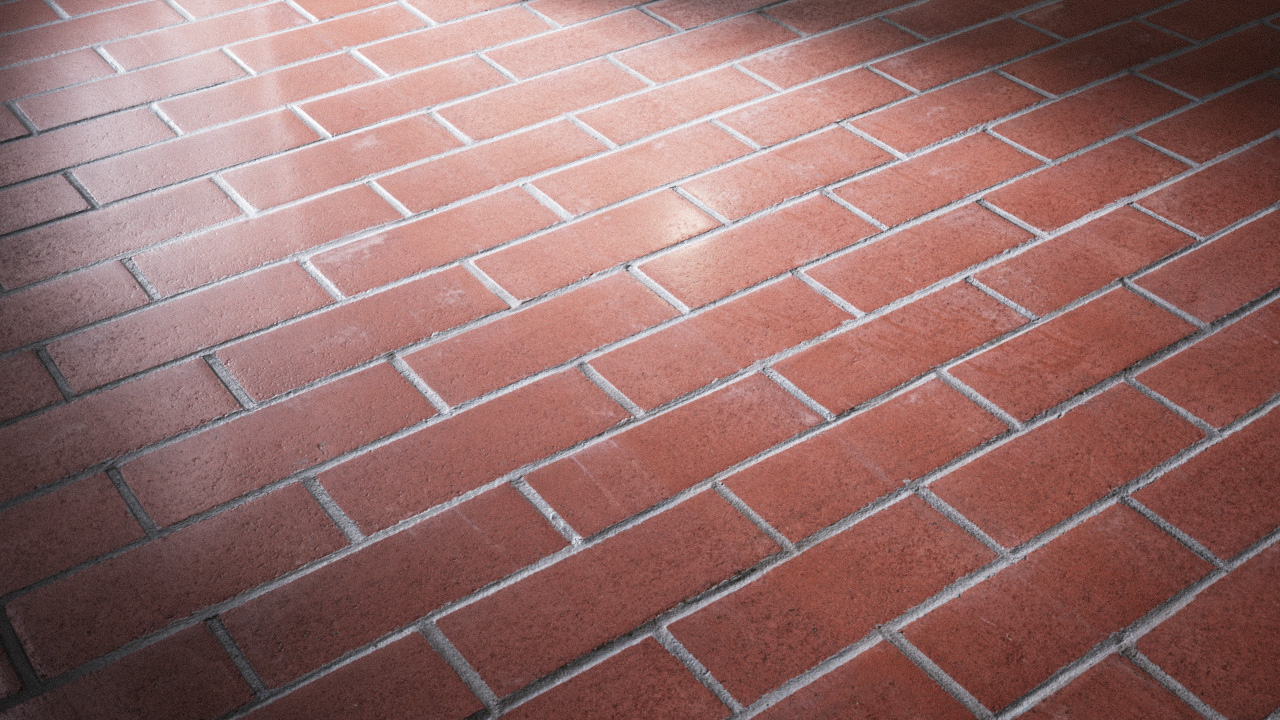
### Brick
includes thin-set, standard, and acid brick
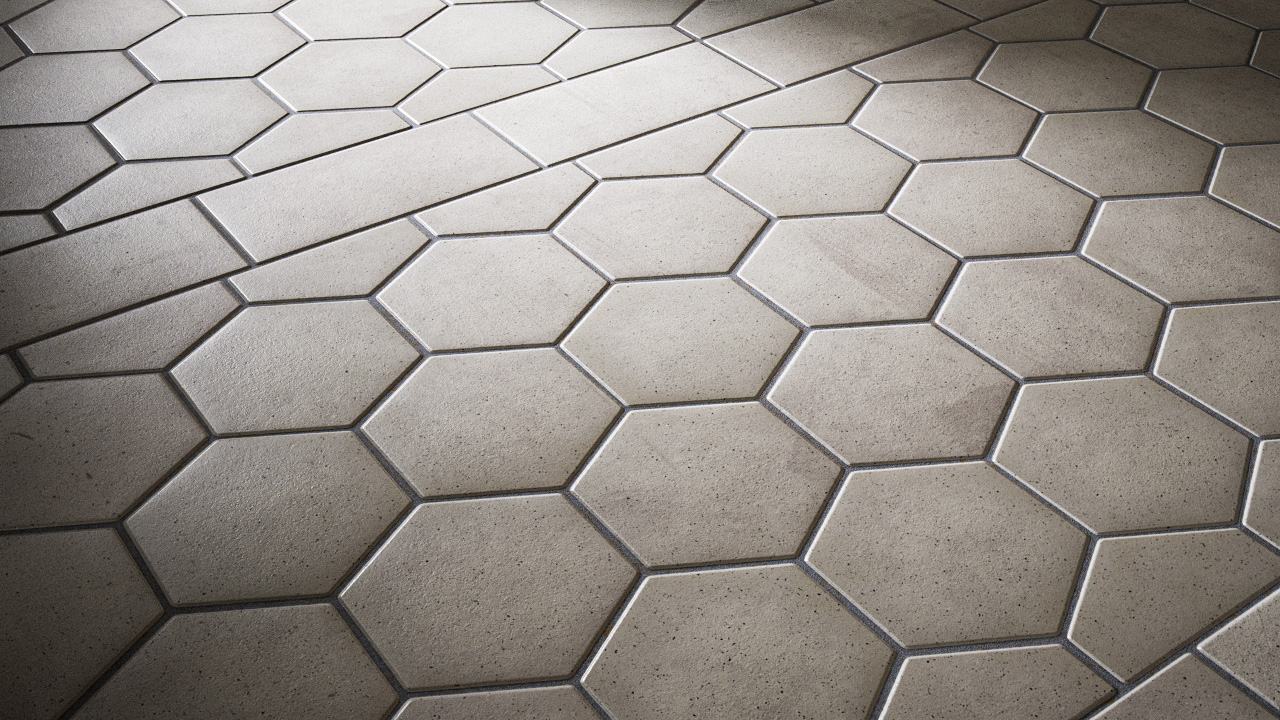
### Tile
includes vitrified tile, and quarry tile
## Freezer Floors
Freezer floor slabs are subject to heaving if not designed properly. Ice can also build up on freezer floors, making them slippery and hazardous. After understanding your facility needs, we can determine the heating system most appropriate (e.g. electric heat, pumped glycol, ventilation) to prevent freezer floor slabs from heaving and ice formation.
## Walls
Walls are subject to physical abuse from traffic and chemical abuse from cleaning products. We can present the performance specifications of wall materials most appropriate for your operations, such as:
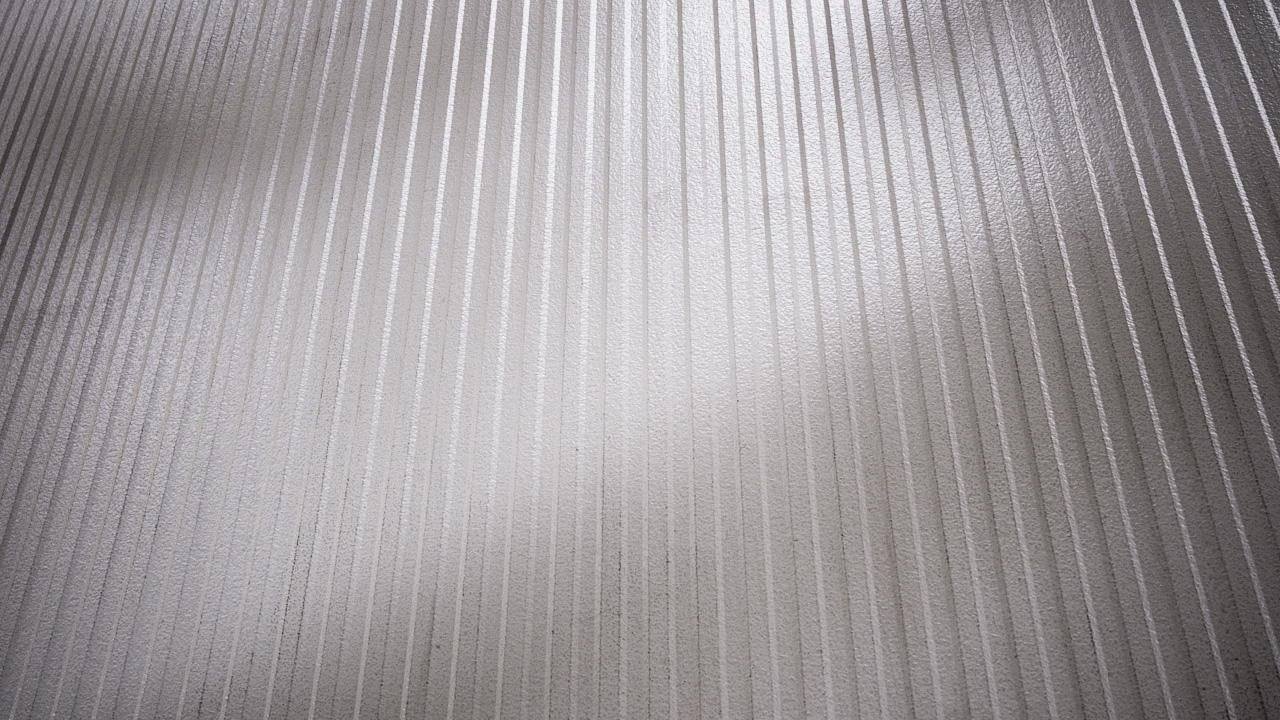
### Insulated Metal Panels
including painted or stainless-steel finish

### Structural Glazed Tiles
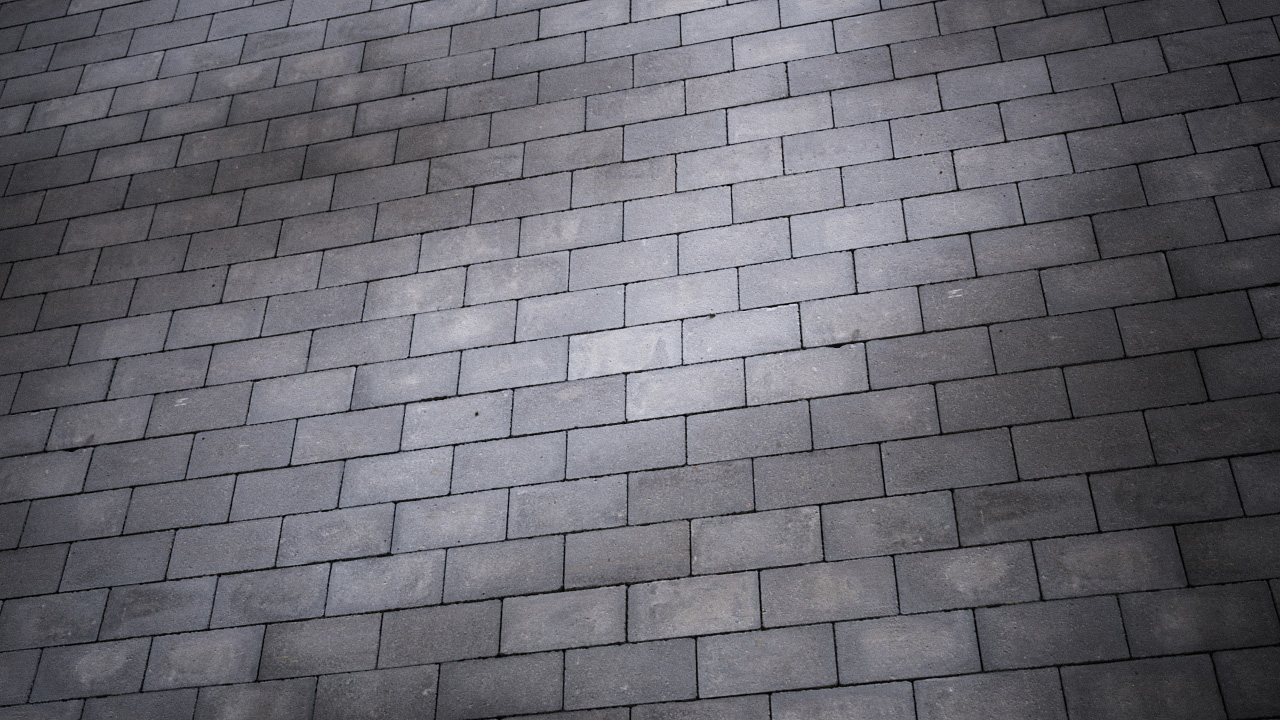
### Concrete Masonry Unit
with high-build epoxy coating
We know the materials that can withstand such abuse, the proper application of these materials, which manufacturers to specify, and the best methods for protecting walls.
## Curbs
Curbs protect walls from damage: because curbs experience extreme physical abuse from contact with moving equipment and materials, they must be designed to withstand impact. Proper design of food facility curbs should also prevent the build-up of dusts and powders on the curb. We understand curb designs that help reduce the likelihood of excessive contamination and damage.
## Ceilings
The potential for contamination from overhead sources exists in processing environments where products are exposed to the room environment. The specification and design of ceiling systems and materials that are cleanable and prevent product contamination is therefore critical for your facility.
### Interstitial space design
One method of protecting exposed products and processing equipment from the potential of overhead contamination is to use interstitial (attic) spaces for overhead utility piping, ductwork, and electrical conduits. The interstitial space should be designed with enough height to make it a walkable ceiling for maintenance and sanitation personnel to perform their duties on the utility systems.
However, height restrictions and limitations might prohibit certain interstitial space designs. We can mitigate this issue with suspended ceilings that have cleanable surfaces for sanitation crews.
## Exterior Walls
Insulated metal panels (IMPs) and precast concrete are common exterior wall materials used in food plants. Metal siding may be employed for pre-engineered metal buildings. The use of architectural metal panels is more appropriate in office spaces of food plants.

### IMP
This is the popular choice for exterior wall material for many food processing facilities. Available in various thicknesses and finishes in painted and stainless-steel, IMPs provide necessary thermal properties, offer a cleanable interior wall surface, and are easily installed.
### Precast Concrete
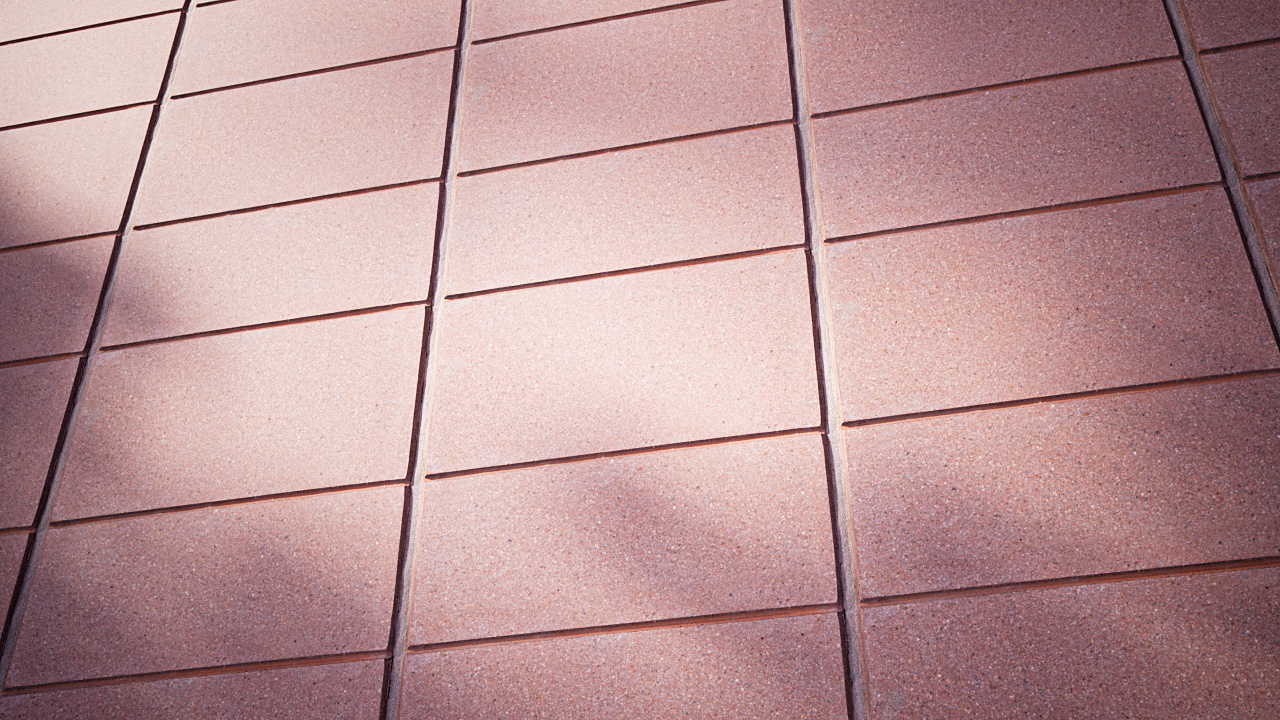
This durable material is frequently used in warehouse spaces and where a masonry or concrete exterior finish is required for zoning, building code or other reasons. Precast concrete walls may be insulated, which provides a thermal and weather barrier all in one.

### Metal Siding
This type of utilitarian siding is sometimes used in food processing. If an operation is constructed as a “box within a box,” the building shell may be constructed using metal siding as the exterior wall panels and IMP as the interior wall system.

### Architectural Metal Panels
Though not used for food processing spaces, these panels (insulated or non-insulated) may be specified for office spaces, primarily for aesthetic interest. Architectural metal panels are available in many colors and allow for decorative reveals that can add texture and light filtering.
## Roofs
Roof systems are a part of the building envelope, and the top layer is designed for moisture protection with materials that are impervious to rain and snow and resilient under thermal stress. Many materials are available, and the selection depends on the area of the country, as well as the type of operation the building is housing. Thermal plastic polyolefin (TPO) and ethylene propylene diene monomer (EPDM) are the main types of single-ply membrane roofs used for food processing structures. Standing seam metal roofing is also utilized in some applications.

### TPO
Traditionally available only in white, this reflective material is now also available in gray, tan, and black. Energy-efficient and resistant to animal fats and oils, TPO roofs provide a smooth, walkable roof surface that is easy to maintain for many years.
### EPDM
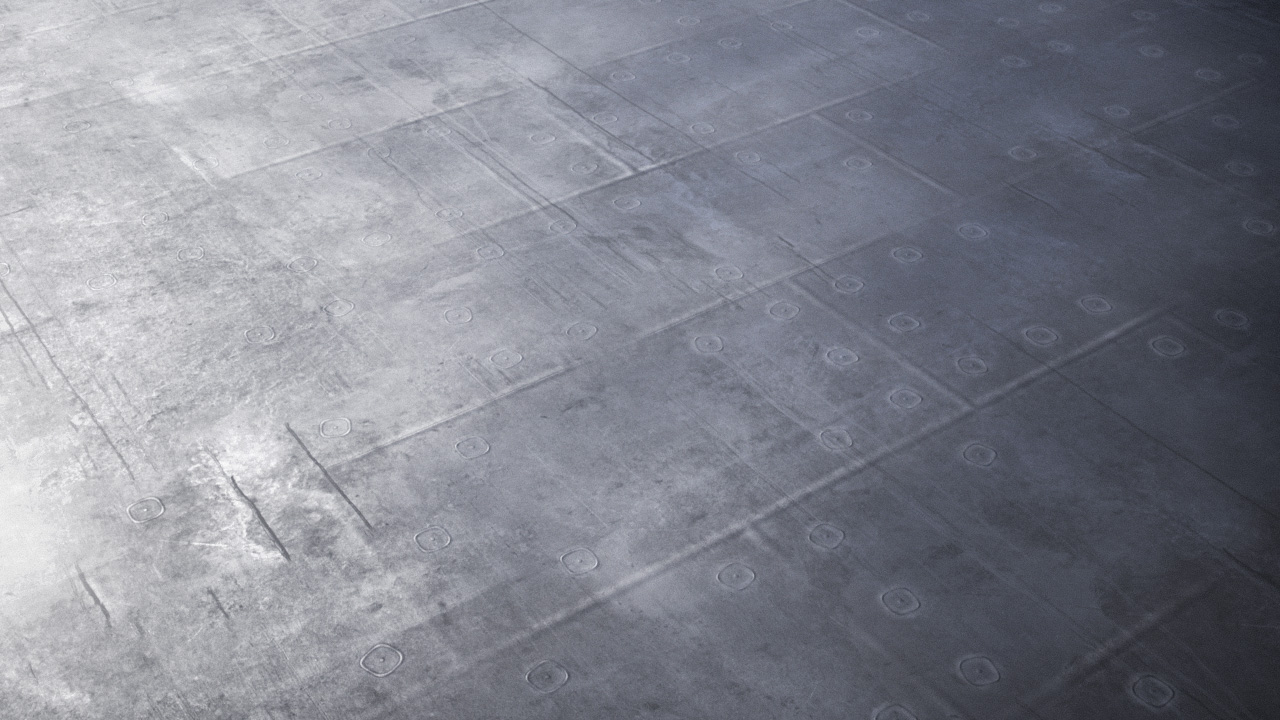
This synthetic rubber roofing material (now available in white) is known for its ozone resistance and durability, lasting up to 50 years if properly maintained.
### Standing Seam Metal
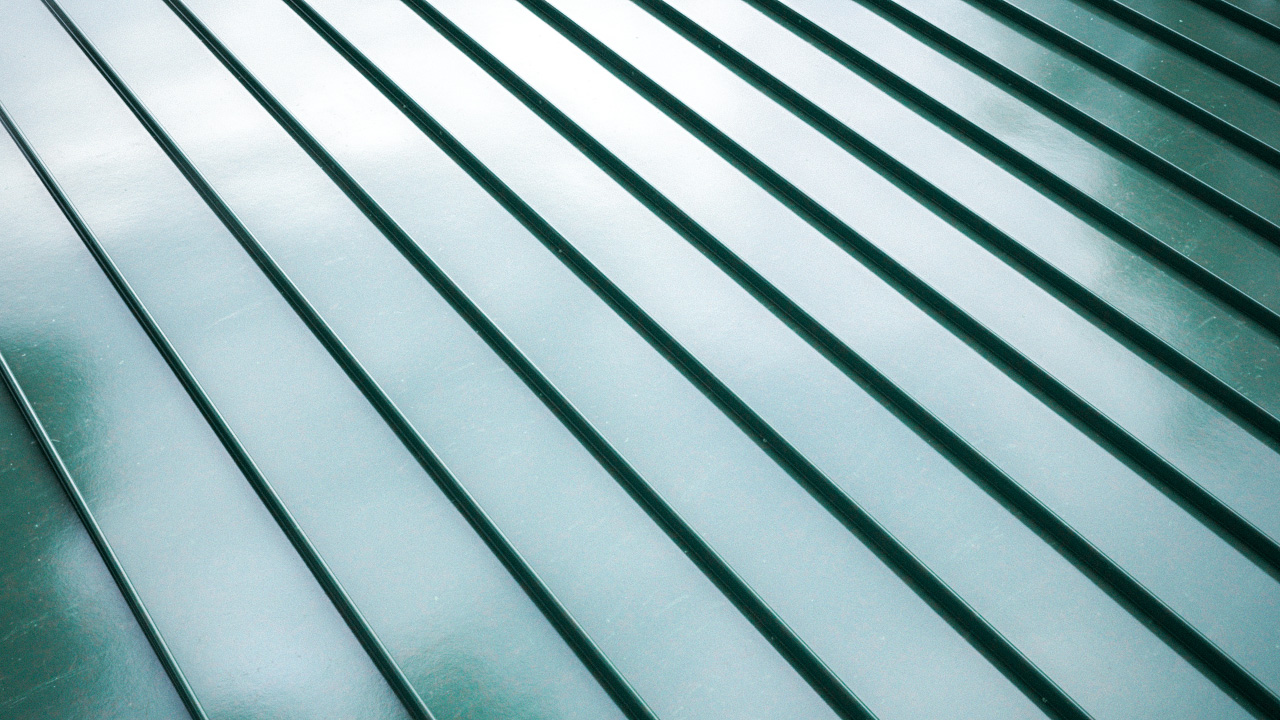
This type of roofing material is appropriate for operations where there is a limited need for rooftop equipment or piping. The walkways should be constructed to reduce the wear and tear on the metal seams for any needed rooftop maintenance and foot traffic.
## Vapor Barriers
Condensation occurs when facility and food processing materials have a surface temperature that is cooler than the dew-point temperature of the air contacting the material. Common issues that result in condensation are improper vapor barriers in insulated panel construction. For example, vapor can penetrate ceilings and walls through pinhole-size openings or due to unequal pressurization between rooms.
This differential vapor pressure can be significant, especially in the summer months. These holes should be sealed so vapor does not enter the room, thus preventing condensation when the vapor reaches the cold space.
## Schema
```json
{ "@context": "https://schema.org", "@type": "BreadcrumbList", "itemListElement": [ { "@type": "ListItem", "position": 1, "name": "Food Plant Engineering", "item": "https://foodplantengineering.com" }, { "@type": "ListItem", "position": 2, "name": "Services", "item": "https://foodplantengineering.com/services" }, { "@type": "ListItem", "position": 3, "name": "Design", "item": "https://foodplantengineering.com/services/food-process-facility-design" }, { "@type": "ListItem", "position": 4, "name": "Facility Design", "item": "https://foodplantengineering.com/services/food-process-facility-design/facility-design" }, { "@type": "ListItem", "position": 5, "name": "Architectural Design", "item": "https://foodplantengineering.com/services/food-process-facility-design/facility-design/architecture" } ] }
```
```json
{ "@context": "https://schema.org", "@type": "Service", "name": "Architecture", "serviceType": "Architecture", "description": "A food facility is more than just four walls and a roof that house a food processing operation. Food plants need to be designed and built with materials that promote a safe, hygienic environment for both employees and products. Our architects and designers have the experience to create a hygienic, cleanable, and durable food operation.", "image": "https://foodplantengineering.com/images/services/design-services-architecture.jpg", "url": "https://foodplantengineering.com/services/food-process-facility-design/facility-design/architecture", "provider": { "@type": "Organization", "name": "Food Plant Engineering, LLC", "image": "https://foodplantengineering.com/images/icons/FPE-LLC.png", "telephone": "+15134888888", "address": { "@type": "PostalAddress", "streetAddress": "10816 Millington Ct., STE 110", "addressCountry": "United States of America", "addressLocality": "Blue Ash", "addressRegion": "Ohio", "postalCode": "45242" } } }
```
```json
{ "@context": "https://schema.org", "@type": "Service", "name": "Facility Design", "serviceType": "Facility Design", "description": "Once your facility layout has been established, the components and materials of the facility design must be determined. The design must account for considerations that affect food safety, sanitation, life-cycle cost, durability, and maintenance. Food Plant Engineering has in-depth knowledge of the nuances of designing a food facility. We will discuss with you the many options and costs/benefits of different design solutions and material options to prevent problems across many important facility components.", "image": "https://foodplantengineering.com/images/services/services-food-facility-design.jpg", "url": "https://foodplantengineering.com/services/food-process-facility-design/facility-design/architecture", "provider": { "@type": "Organization", "name": "Food Plant Engineering, LLC", "image": "https://foodplantengineering.com/images/icons/FPE-LLC.png", "telephone": "+15134888888", "address": { "@type": "PostalAddress", "streetAddress": "10816 Millington Ct., STE 110", "addressCountry": "United States of America", "addressLocality": "Blue Ash", "addressRegion": "Ohio", "postalCode": "45242" } } }
```
```json
{ "@context": "https://schema.org", "@type": "Service", "name": "Design Services", "serviceType": "Design Services", "description": "Creating a food processing operation that is functional today and adaptable to the future requires foresight. Our design methodology integrates future considerations for food safety, flexibility, expandability, and sustainability into your food production process and facility design.", "image": "https://foodplantengineering.com/images/services/design-services-food-plant-engineering-hero.webp", "url": "https://foodplantengineering.com/services/food-process-facility-design/facility-design/architecture", "provider": { "@type": "Organization", "name": "Food Plant Engineering, LLC", "image": "https://foodplantengineering.com/images/icons/FPE-LLC.png", "telephone": "+15134888888", "address": { "@type": "PostalAddress", "streetAddress": "10816 Millington Ct., STE 110", "addressCountry": "United States of America", "addressLocality": "Blue Ash", "addressRegion": "Ohio", "postalCode": "45242" } } }
```
```json
{ "@context": "https://schema.org", "@type": "Service", "name": "Architecture", "serviceType": "Architecture", "description": "A food facility is more than just four walls and a roof that house a food processing operation. Food plants need to be designed and built with materials that promote a safe, hygienic environment for both employees and products. Our architects and designers have the experience to create a hygienic, cleanable, and durable food operation.
Floors
Food facility floors are under constant strain from physical abuse of heavy traffic, thermal shock from temperature variations between cleanup and operation, and chemical damage from harsh cleaning solutions. We understand how these conditions impact the durability and cleanability of flooring materials, and can provide guidance on options such as:
Freezer Floors
Freezer floor slabs are subject to heaving if not designed properly. Ice can also build up on freezer floors, making them slippery and hazardous. After understanding your facility needs, we can determine the heating system most appropriate (e.g. electric heat, pumped glycol, ventilation) to prevent freezer floor slabs from heaving and ice formation.
Walls
Walls are subject to physical abuse from traffic and chemical abuse from cleaning products. We can present the performance specifications of wall materials most appropriate for your operations, such as: -
Insulated Metal Panels
including painted or stainless-steel finish -
Structural Glazed Tiles
-
Concrete Masonry Unit
with high-build epoxy coating
We know the materials that can withstand such abuse, the proper application of these materials, which manufacturers to specify, and the best methods for protecting walls. Curbs
Curbs protect walls from damage: because curbs experience extreme physical abuse from contact with moving equipment and materials, they must be designed to withstand impact. Proper design of food facility curbs should also prevent the build-up of dusts and powders on the curb. We understand curb designs that help reduce the likelihood of excessive contamination and damage. Ceilings
The potential for contamination from overhead sources exists in processing environments where products are exposed to the room environment. The specification and design of ceiling systems and materials that are cleanable and prevent product contamination is therefore critical for your facility. Interstitial space design
One method of protecting exposed products and processing equipment from the potential of overhead contamination is to useinterstitial (attic) spaces for overhead utility piping, ductwork, and electrical conduits. The interstitial space should be designed with enough height to make it a walkable ceilingformaintenance and sanitation personnel to perform their duties on the utility systems.
However, height restrictions and limitations might prohibit certain interstitial space designs. We can mitigate this issue with suspended ceilings that have cleanable surfaces for sanitation crews.
Exterior Walls
Insulated metal panels (IMPs) and precast concrete are common exterior wall materials used in food plants. Metal siding may be employed for pre-engineered metal buildings. The use of architectural metal panels is more appropriate in office spaces of food plants.
-
IMP
This is the popular choice for exterior wall material for many food processing facilities. Available in various thicknesses and finishes in painted and stainless-steel, IMPs provide necessary thermal properties, offer a cleanable interior wall surface, and are easily installed. -
Precast Concrete
This durable material is frequently used in warehouse spaces and where a masonry or concrete exterior finish is required for zoning, building code or other reasons. Precast concrete walls may be insulated, which provides a thermal and weather barrier all in one. -
Metal Siding
This type of utilitarian siding is sometimes used in food processing. If an operation is constructed as a “box within a box,” the building shell may be constructed using metal siding as the exterior wall panels and IMP as the interior wall system. -
Architectural Metal Panels
Though not used for food processing spaces, these panels (insulated or non-insulated) may be specified for office spaces, primarily for aesthetic interest. Architectural metal panels are available in many colors and allow for decorative reveals that can add texture and light filtering.
Roofs
Roof systems are a part of the building envelope, and the top layer is designed for moisture protection with materials that are impervious to rain and snow and resilient under thermal stress. Many materials are available, and the selection depends on the area of the country, as well as the type of operation the building is housing. Thermal plastic polyolefin (TPO) and ethylene propylene diene monomer (EPDM) are the main types of single-ply membrane roofs used for food processing structures. Standing seam metal roofing is also utilized in some applications. -
TPO
Traditionally available only in white, this reflective material is now also available in gray, tan, and black. Energy-efficient and resistant to animal fats and oils, TPO roofs provide a smooth, walkable roof surface that is easy to maintain for many years. -
EPDM
This synthetic rubber roofing material (now available in white) is known for its ozone resistance and durability, lasting up to 50 years if properly maintained. -
Standing Seam Metal
This type of roofing material is appropriate for operations where there is a limited need for rooftop equipment or piping. The walkways should be constructed to reduce the wear and tear on the metal seams for any needed rooftop maintenance and foot traffic.
Vapor Barriers
Condensation occurs when facility and food processing materials have a surface temperature that is cooler than the dew-point temperature of the air contacting the material. Common issues that result in condensation are improper vapor barriers in insulated panel construction. For example, vapor can penetrate ceilings and walls through pinhole-size openings or due to unequal pressurization between rooms.
This differential vapor pressure can be significant, especially in the summer months. These holes should be sealed so vapor does not enter the room, thus preventing condensation when the vapor reaches the cold space.
", "image": "https://foodplantengineering.com/images/services/design-services-architecture.jpg", "url": "https://foodplantengineering.com/services/food-process-facility-design/facility-design/architecture", "provider": { "@type": "Organization", "image": "https://foodplantengineering.com/images/icons/apple-touch-icon-180x180.png" } }
```